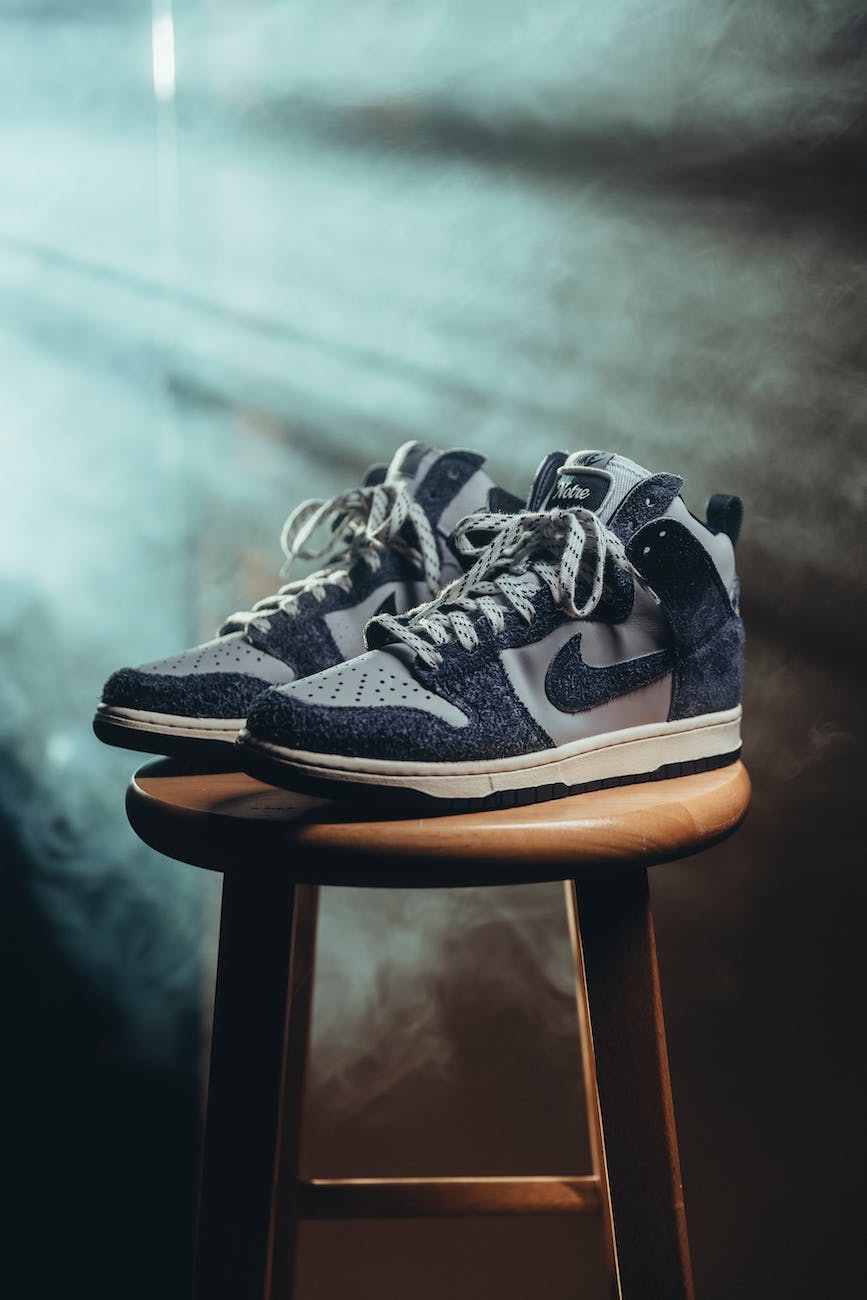
Taking a closer look at Nike’s promotion strategies and its marketing mix
Nike is a company founded out of Oregon, California in 1964. Originally called Blue Ribbon Sports they adopted the name Nike in 1978. Co-founders Phillip Knight and Bill Bowerman initially set out to create a shoe to improve a runner’s experience and performance. Over 40 years later Nike is now worth an estimated $34 Billion dollars. Not bad for a company that started out the back of a car. It remains the biggest selling sports brand in the world with total company revenue in 2021 reaching $46Billion dollars.

We will be firstly examining how Nike effectively implemented Outbound marketing strategies, following on I will talk about how and why the brand transitioned into the digital world and began using Inbound marketing tactics. Secondly considering the pros and cons of said strategies and why Nike decided to focus on Digital marketing. Similarly, moving onto how Nike effectively used endorsement deals and innovative advertising to stand out amongst the competitors. Furthermore, we will review the focus of Nike, and what the aim of their brand marketing has been over all these years and how it has been successful.
Marketing
Marketing is the term used to describe collectively those business functions most directly concerned with the demand stimulating and demand-fulfilling activities of the business enterprise’’
Cundiff & Still
The performance of business activities that direct the flow of goods and services from producer to consumer/user’’
The American Marketing Association
Inbound Marketing
Inbound marketing involves the strategy of customers approaching a company in an organic way. While Outbound marketing includes the company directly reaching out to customers. In the early years of the Brand’s life, Nike effectively used Outbound marketing strategies, also known as traditional advertising. Examples include TV and radio adverts, cold calls, sales teams and print advertising. These strategies tend not to have an organic connection with customers and are often seen as an invasion of privacy, it’s also difficult to target your audience with these strategies. Although some positives of these tactics include a direct connection with customers, timely investment and a wider reach. Billboards, large prints and TV adverts were the most popular strategies for Nike to implement, they all had the potential of reaching a huge audience. Prints placed in running magazines or TV adverts shown at sporting events such as the Super Bowl gives Nike the opportunity to directly target their content towards the interested customers. Another interesting strategy Nike adopted in the late 1990’s was the phone Ads. Phone numbers would be placed underneath a large print of a Nike product, usually a sneaker, the customer could ring the number and hear the voice of a celebrity or Athlete offering information regarding the product. This was a great example of how Outbound marketing strategies can engage the customer to approach the company, it’s an interesting blend of both Inbound and Outbound, as it’s a subtle attempt from Nike to engage with a customer without prompting the interaction.
Ultimately, most of these Outbound strategies have become obsolete, for example, because of technology like spam blockers and caller ID, the use of cold calls and emails are no longer an effective way of contacting a customer. Customers nowadays want to communicate with the brands regarding products, and this proved difficult in the past with Billboard and TV advertising. The biggest reason for Traditional marketing’s decline is the growth of social media. Companies like Nike could not continue spending large amounts of money and exhausting the investment of time on advertisements that couldn’t guarantee the content was reaching the optimal audiences. Although Nike is focusing more on Digital marketing platforms, the use of Traditional strategies can still be seen today. In spring 2022, Nike unveiled a huge, 3D animation billboard to celebrate the annual ‘Air Max Day’. As with all Billboards, the aim is to attract the attentions of passers-by but nowadays with the bonus of social media, Nike know this attraction will be viewed by millions around the world within hours. The art of traditional advertising isn’t quite dead, Nike has learned how and when to use it effectively, all the while, with the understanding that social media has the power to help these advertisements reach a much larger audience.

Outbound Marketing
Nike began their transition to Inbound marketing strategies, also known as Digital advertising, back in 1996 when they released their website for the Atlanta Olympics. Ten years later Nike released the Nike App. Apart from the forementioned Website and App, other examples of Inbound marketing are social media platforms, case studies and podcasts. These strategies are easier for companies to target the desired audiences, they also make the connection with customers less intrusive. These strategies are also better value for customers, as they have chosen to read or listen to the content provided. However, using these tactics does give a company lower control with specific customers, which could lead to difficulty in finishing sales. Inbound marketing also requires large investment of time, with often little to no physical or direct connection with a customer. Nike are undoubtedly focusing more on Digital marketing, in 2010 it spent nearly $800m on ‘Non-Traditional’ advertising. In a 3-year period from 2009-2012, spending on its Outbound strategies dropped by 40% and has declined ever since. Looking into the spending pattern of Nike more closely, it quickly identified marketing as the most important tool at its disposal, with former CEO and creator Phillip Knight stating, ‘’ The most important thing we do is market the product’’. In 1999, Nike spent $978million on advertising. This number has steadily rose year on year, in 2018 it had increased to over $2.7Billion. Nike’s competitors simply cannot compete with this expenditure, Adidas (who now own Puma) in comparison spent $2.7Billion in 2017.

Social Media
The emergence and impact that social media has had on the world today has been a huge catalyst for this transition. Nike now have over 300 different profiles on a range of social media platforms, with Instagram being the most followed page by customers. Let’s take a closer look at Nike’s Instagram. The brand made the decision early on to create separate accounts to target specific customers, with accounts like @nikewoman and @nikerunning. This allows Nike to create more specific content that will be viewed by the appropriate customers, this strategy also helps create the family feeling within the brand, customers have options to join different accounts and feel part of a group. On Nike’s main Instagram account, the Bio reads ‘’Spotlighting athlete* and running stories’’. Nike follow this emphasis on telling the stories of Athletes (anyone) and their achievements rather than products across their accounts. This permits customers and followers to feel engaged, rather than seeing content that they feel doesn’t apply to them. One quick scroll through any account of Nike you will be met with an array of colour, fun and empowering content. The informal tone that Nike employ attracts the customer to continue scrolling and reading.
The inclusive use of varied ethnicities, sexualities and abilities really sends home Nike’s message that anyone and everyone is an Athlete. Nike’s clear stance on social injustice and discrimination is clear to see across their social media platforms, the hashtags #BlackLivesMatter and #StopAsianHate are included in the brands main Instagram account. The support Nike shows to these issues has given the brand an extremely positive relationship with the younger generation of customers who share the same goal in tackling these social issues and helps Nike be seen as a progressive brand which prioritises customers before products and sales. It has not always been plain sailing for Nike though, like any company, mistakes were made which the brand had to learn from. In 2019, the nine-time Olympic medallist Alicia Felix found herself in a dispute with Nike, the brand was accused of pressuring the star to return ASAP after the birth of her daughter in 2018. Nike were also reluctant to continue paying Felix the same money as they did pre pregnancy according to the American sprinter. Felix expressed her shock at the treatment of her after giving birth, saying ‘’I’ve been one of Nike’s most widely marketed athletes. If I can’t secure maternity protections, who can?’’. This story created severe backlash and criticism of Nike and the way female Athletes are treated. In the subsequent years, Nike have been extremely supportive of its sponsored Athletes such as Megan Rapinoe and Colin Kaepernick in their fight against Women’s equality and Racial Injustice, and publicly have showed their desire to help make positive change.

Returning to social media, in recent years the video platform TikTok has created a huge following, especially with under 30’s. It is suggested that TikTok is the best platform for positive engagement regarding Nike and its products. ‘Influencer marketing’ is a new term in the world of advertising, Companies use influencers to help reach broader and more specific audiences, the use of these people also give brands more credibility. However, companies do have to be careful with who they chose to collaborate with.
Nike can use this method of marketing as a ‘passive’ form of advertising, relying on external content rather than exclusively from the official Nike TikTok account, that has around 2million followers. The biggest mentions and positive comments regarding Nike come from videos from Influencers and fans, for example a video about a gym outfit with hashtags #nike #gym can gain over 4millions views and nearly 500k comments. The fact Nike is such an inclusive brand that doesn’t specifically target professionals and experts, but rather actively encourages everyone to get up and exercise gives them a such a huge and diverse following. Which then in turn attracts more fans to post about Nike, generating more positive feedback.
Content Marketing
’ A strategic marketing approach focused on creating and distributing valuable, relevant and consistent content to attract and retain a clearly defined audience-and, ultimately, to drive profitable customer action
The Content Marketing Institute
Nike uses different platforms to provide valuable content to their audiences. The TRAINED podcast created by Nike, is hosted by Jaclyn Bryer who sits down with Athletes, psychologists, researchers, trainers and other experts to talk about ways to improve a person’s mindset, movement, nutrition, recovery and sleep. Although this podcast does not advertise specific Nike products, it creates a link in a listener’s mind between the Nike brand and these positive conversations. Forming a relationship between Nike and the listener, therefore strengthening the chance of said listener purchasing Nike products. Another example of valuable and relevant content supplied by Nike comes in the form of the NIKE run Club. The app allows members to track and log their running routes and times and offers coaching advice to help improve performance. Members are given the opportunity to listen to Athlete stories while exercising, these inspiring, motivating conversations with athletes like Eliud Kipchoge, the world’s greatest marathon runner, gives listeners an insight into the athlete’s accomplishments, but also the struggles and problems they faced and overcame. This can be seen as another ‘passive’ marketing method as the content isn’t provided to promote any products, it is given to the listener to inspire and broaden knowledge, but by doing so creates a positive association with the story and its Athlete, and Nike.
Focus and Philosophy
Nike’s philosophy when it comes to marketing has always been emotion. Starting with the ‘There is no finish line’ campaign, one of Nike’s earliest print advertisements. Nike decided against huge, in-your-face photos of sneakers, instead opting for an image that people could relate to, a lone runner, out on an early morning jog, for example. Nike needed to stand out, the company quickly decided to show what wearers of Nike can achieve in the adverts, rather than showing them the products itself. Nike’s message was clear and concise, ‘Just do it’. This slogan has now become synonymous with the brand, but it aptly describes Nike idea, the company are focused on getting people out of bed and into a pair of trainers, there is no pressure to become the best, to become professional even, just to become a better you. This resonates with the wider public who just want to get in better shape or pick up a new hobby. This decision set Nike onto the path of Global domination, but even now the brands mantra has stayed the same. Nike’s opinion on what is an athlete has made sure they remain the most popular brand within the non-professional market. While other brands may describe themselves as the best in the business for track athletes, or for skiing equipment etc. Nike rely on being popular with the everyday people, the customers who want comfortable, yet stylish gym leggings, or affordable, light trainers to do the park run every week. This has granted Nike to feature heavily in nearly all markets, and when customers see Nike consistently in markets for footwear, apparel and equipment, this shows them Nike products are reliable. Reliability increases customer loyalty, which then increases sales.

In terms of promoting a brand, the biggest difference between Nike and its competition continues to be Athlete endorsement. Nike quickly identified the positives of having sports stars signed up, not only to wear products, but to play a role in the brands marketing and advertising. This decision has paid off, especially when you observe how influential an endorsed athlete can be on social media platforms. For example, the @nikefootball account on Instagram could release content with Cristiano Ronaldo and be viewed by the 45million followers it has. However, the same content posted by Ronaldo himself could be seen by nearly ten times that number with the star amassing 475million followers on Instagram. The most famous example of Nike’s endorsement deals is the NBA hall of famer Michael Jordan. Nike took a chance on the rookie in 1984 when it offered him a contract reportedly worth $500k annually. In just over a year, Jordan had become a sensation and his exclusive shoe line, the Air Jordan, had already grossed over $100million dollars. Fast forward to 2022 and Michael Jordan is still the highest paid Nike Athlete decades after his retirement, The Jordan Brand had revenue of $3.1 billion in the fiscal year ending May 2019. Nike followed on this sponsorship with a host of other NBA endorsements including LeBron James. These endorsements have surely played a part in the complete monopolization that Nike have in the NBA, with a share of 86% in the basketball market in 2019, and a whopping 96% share in the lifestyle basketball market. Nike have attempted and succeeded this plan in other markets, including Golf, Soccer and Tennis with partnership deals for Athletes like Cristiano Ronaldo, Tiger Woods and Serena Williams. This has kept Nike a step ahead of its competitors, Nike focused on endorsements and building a roster of sponsored stars when other brands may have been focusing more on improving product quality and sales. This move has paid off in the long term. Nike have now accumulated a huge list of the best athletes in the world, with the combined following these stars have on social media it gives Nike a vast outreach network.
Summary
In conclusion, I believe Nike has emerged and remained as the most successful sports brand because of its unwavering focus on a customer-over-product mindset, adapting of advertising strategies, clear and consistent messaging and a focus on athlete endorsement. Nike’s mindset from the very beginning when it came to advertising was about telling a story, a story of what could be achieved while wearing Nike.
Resources
- Master Class. (2022). ‘’ Inbound vs Outbound Marketing: Examples, Pros, and Cons’’. Available at: https://www.masterclass.com/articles/inbound-vs-outbound-marketing#examples-of-inbound-marketing. Accessed 13 August 2022.
- Ramnath, Jk. (2016). ‘’How Nike advertises to be ahead of its competitors’’. Available at: http://www.ramnathjk.com/advertising/nike-marketing-strategy-how-nike-does-it. Accessed 13 August 2022.
- Summer. Mage Plaza. (2022) ‘’Nike Marketing Strategy: Why Nike are a Marketing Leader’’. Available at: https://www.mageplaza.com/blog/nike-marketing-strategy.html. Accessed 13 August 2022.
- Lui, J. Siteber. (n.d.). ‘’Nike’s shift to Digital’’. Available at: https://siteber.com/nikes-shift-to-digital/. Accessed 13 August 2022.
- Houston, A. (2022). ‘’ Ad of the day: Nike debuts 3D billboard in Shinjuku in run up to Air Max Day’’. Available at: https://www.thedrum.com/news/2022/03/22/ad-the-day-nike-debuts-3d-billboard-shinjuku-run-up-air-max-day. Accessed 13 July 2022.
- Katarzyna.Brand24. (2022). ‘’ How effective is Nike’s Social Media Strategy? Report (2022)’’. Available at: https://brand24.com/blog/nike-social-media-strategy/. Accessed 13 August 2022.
- Bowerman, B. (n.d.). Available at: https://www.azquotes.com/author/1734-Bill_Bowerman. Accessed 21 August 2022.
- Meyer, J. (2019). ‘’ History of Nike: Timeline and Facts’’. Available at: https://www.thestreet.com/lifestyle/history-of-nike-15057083. Accessed 21 August 2022.
- Badenhausen, K. (2020). ‘’ Michael Jordan has made over $1 Billion from Nike- The biggest endorsement bargain in sport’’. Available at: https://www.forbes.com/sites/kurtbadenhausen/2020/05/03/michael-jordans-1-billion-nike-endorsement-is-the-biggest-bargain-in-sports/?sh=1cf2cab86136. Accessed 21 August 2022.
- Felix, A. (2019). ‘’Allyson Felix: My own Nike pregnancy story’’. Available at:https://www.nytimes.com/2019/05/22/opinion/allyson-felix-pregnancy-nike.html?smid=tw-nytimes&smtyp=cur&save=nyt-gateway-stories. Accessed 21 August 2022.
- Ooley, A. (2013). ‘’10 quotes for small business from Nike founder Phil Knight’’. Available at: https://www.logomaker.com/blog/2013/02/25/10-quotes-for-small-business-from-nike-founder-phil-knight/#:~:text=%E2%80%9CWe%20understand%20the%20most%20important%20thing%20we%20do,to%20think%20that%20everything%20started%20in%20the%20lab. Accessed 21 August 2022.
- Pratap, A. (2022). ‘’Nike marketing expenses’’. Available at: https://www.bing.com/search?q=nike+spending+on+advertising&qs=n&form=QBRE&sp=-1&pq=nike+spending+on+advertising&sc=2-28&sk=&cvid=9532E92570EB41ADB2CE63B2445BCF5B&ghsh=0&ghacc=0&ghpl=. Accessed 21 August 2022.
 adamreach.uk